Unused gift cards are becoming a growing source of hidden losses for consumers as balances sit untouched or vanish through fees, fraud, and missed refund opportunities.
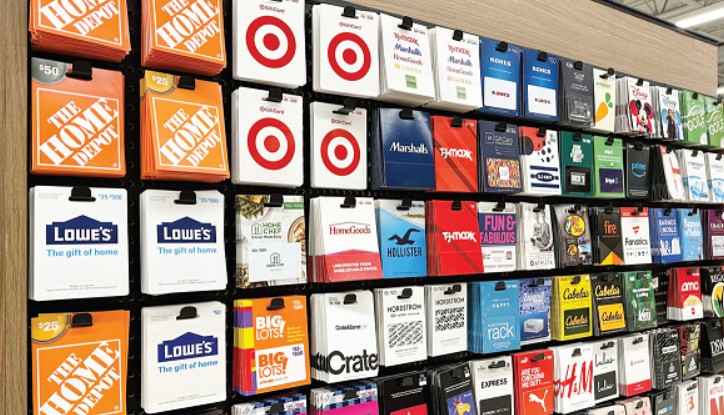
Gift cards generally fall into three categories: bank- or credit-card branded cards such as Visa and Mastercard, store-specific cards that can be used only at a particular retailer, and choice cards that allow the user to select a participating merchant through an online portal before converting the balance into a store-specific card.
Bank- and credit-card branded gift cards offer the broadest range of use, but they can also be the most expensive to ignore. If they are not used for more than one year, some of these cards can incur a monthly maintenance fee of $4.95, slowly eating away at the remaining balance.
By contrast, store-specific gift cards generally do not charge maintenance fees, making them simpler to hold. Choice cards, however, require an extra step: the recipient must go online to select a participating merchant and convert the balance to that retailer’s own card before using it.
Experts warn that leaving a gift card unused and unregistered can be risky. In recent cases, criminals have obtained card numbers and PINs in advance and then drained balances in a practice sometimes referred to as “pre-use fraud.”
To reduce that risk, consumers are advised to register their gift cards as soon as possible. For physical cards, it is helpful to photograph both the front and back and store those images safely. For digital cards, adding them to a smartphone wallet or linking them to accounts such as Amazon or Google can make it easier to monitor balances and use them quickly.
Under U.S. federal law, gift cards cannot expire for at least five years from the date of issuance. However, the expiration date printed on a card often refers to the plastic card itself rather than the underlying balance. In many cases, the funds remain valid, but the consumer may need to request a replacement card once the printed date passes.
Because policies differ by issuer, experts recommend that consumers track both expiration dates and any fee start dates on a calendar or mobile planner. Marking when maintenance fees might begin or when a card should be replaced can help prevent slow, unnoticed balance losses.
Another commonly overlooked protection is the right to receive cash back on small remaining balances. In 12 or more states, consumers are entitled to a cash refund when the balance on a gift card falls below a certain amount.
In California, cardholders can request cash for remaining balances of $9.99 or less. Beginning in April 2025, that refund threshold will increase to $15, making it easier for consumers to convert leftover funds into cash instead of abandoning small amounts.
Experts say knowing each state’s rules can prevent unnecessary losses, especially for people who receive multiple cards during the holiday season and use them across different retailers and regions.
According to personal finance firm Bankrate, the average consumer is sitting on $244 in unused gift card balances. The Wall Street Journal (WSJ) reported on the 2nd that the main reasons people fail to use their cards include losing the card itself (17%), letting the card expire (20%), and being unable to use it because the issuing merchant went out of business (12%).
Experts note that as gift cards have become a popular payment and gifting method, they have also become easier to use—both online and in stores. But that convenience does not eliminate the risk of loss if consumers do not actively manage their balances.
Gift cards, they emphasize, can be as useful as cash when handled carefully. However, when they are forgotten in drawers or email inboxes, balances can slowly disappear through fees, fraud, or missed opportunities for refunds.
“Gift cards can be as valuable as cash if managed well, but balances can vanish if they’re neglected,” experts said. They recommend three basic steps to protect value: register cards promptly, track expiration and fee dates, and understand refund rules in states like California that allow cash-outs on small remaining balances.
By following these simple practices, consumers can make sure their gift cards work for them—rather than quietly draining away.
BY EUNYOUNG LEE
[lee.eunyoung6@koreadaily.com]