The nation’s largest retirement program is approaching a fiscal deadline that could hit beneficiaries directly in their wallets according to The Express. The Social Security retirement fund is on track to run out of money in 2033, triggering an automatic reduction in benefits unless Congress intervenes.
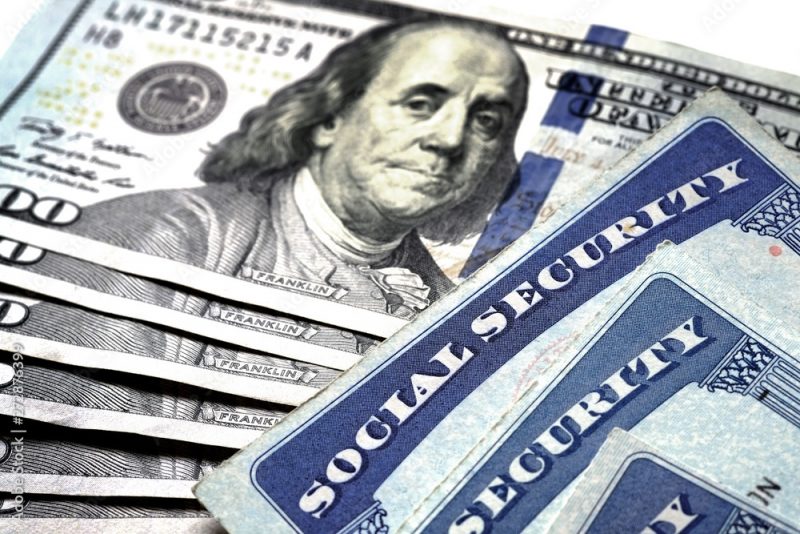
According to reporting from Axios, the program would only be able to cover 77% of scheduled payments once its reserves are depleted. With the average monthly benefit at $2,008, payments would fall to $1,546 — a drop of $462. Experts told the outlet that the window for addressing the shortfall has narrowed sharply after decades without long-term reform.
Gopi Shah Goda of the Brookings Institution called the situation “a tinderbox issue,” noting that the financial imbalance has been allowed to build for years. Maya Macguineas of the Committee for a Responsible Federal Budget said the delay in action means any adjustments now required will be “shocking in size.” The Express added that some benefits with a 2.8% cost-of-living adjustment have been delayed until January for certain recipients.
The Express also reported that there is currently no political appetite for large-scale benefit cuts, offering some reassurance for those already retired or nearing retirement. Still, under current law, payment reductions would take effect automatically if Congress does not act before 2033.
Lawmakers have several levers to address the shortfall. One is raising revenue through the 12.4% payroll tax, which applies only to earnings up to $176,100. Lifting or eliminating that cap would increase funding for the program but would substantially raise taxes for high-income earners.
Another option is adjusting benefits. Targeted reductions for retirees with large pensions, 401(k) balances, or other substantial income are possible, though even those not dependent on Social Security may resist shrinking checks.
If Congress reaches 2032 without a long-term fix, The Express notes it could temporarily cover the gap using general tax revenues. That approach would likely strain the federal budget, push interest rates higher, and reduce funding available for other national priorities.
The debate comes as Social Security prepares to raise the eligibility age for certain retirement checks in 2026.
BY YOONSEO SONG [song.yoonseo@koreadaily.com]