Cambodia is emerging as a major hub for illegal organ trafficking centered around Chinese-affiliated transplant hospitals in Phnom Penh, amid growing concerns for more than 80 Koreans who remain missing in the country. Local reports describe cash-based, rapid transplant procedures arranged through brokers.
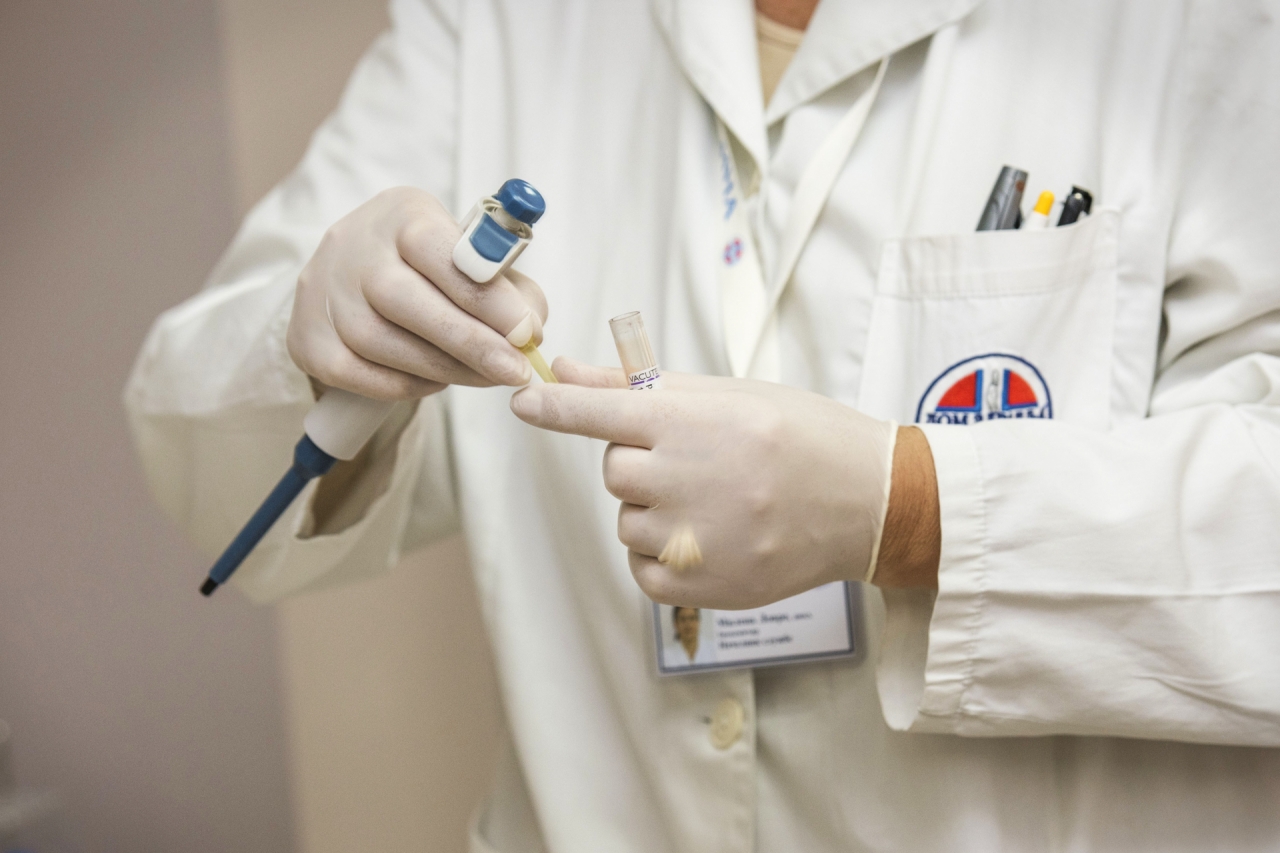
A Korean resident who has lived in Phnom Penh for 18 years said one Chinese-run transplant hospital charges ₩50 million (approx. US$37,000) for a kidney transplant, with eyes reportedly priced similarly, according to Dong-A Ilbo. A Korean man in his 70s received a kidney transplant there two years ago, completing surgery within two days of arrival through a local broker. He was told the organ came from a naturally deceased donor, but residents widely question the true sources.
A study by George Mason University published in an SCIE-indexed international journal in April analyzed more than 50,000 global media reports using artificial intelligence and found at least 10 organ-brokerage cases in Cambodia between 2012 and 2022, ranking the country 7th globally after India, Pakistan, and China. Cambodia did not appear in the 2000–2011 data period. Researchers said organ-trafficking routes appear to be shifting away from countries that strengthened crackdowns.
In July 2023, Indonesian police identified Preah Ket Mealea Hospital in Phnom Penh as the center of a group accused of forcibly removing kidneys from 122 Indonesians, selling each for US$9,000. Twelve people were arrested. That same year, a Ho Chi Minh City court sentenced eight individuals involved in arranging illegal organ sales in Cambodia. International human-rights organizations said corruption and weak border enforcement allow such networks to operate.
Experts cite China’s “One Belt, One Road” medical-cooperation initiatives as a factor behind Cambodia’s growing transplant capabilities. Hwangho Kim of the Korean Association for Organ Transplant Ethics said China has partnered with Cambodian hospitals since the 2010s, sending transplant surgeons and technology. Many facilities flagged in trafficking investigations were constructed with Chinese support.
Severe health risks persist. Wonbae Jang of Jeju National University Hospital said illegal transplants lack proper medical screening, enabling donor diseases to spread and triggering serious postoperative complications.
Residents want enforcement expanded beyond areas known locally as Wenchi (slang for crime compounds), where recent abductions of Koreans have drawn attention. Korean police performed an autopsy on October 20 on a 22-year-old Korean university student who died after being kidnapped and tortured in Cambodia, checking whether any organs were removed.
Yoonho Lee, professor emeritus of police administration at Dongguk University, said criminal groups may extract organs when victims are considered “no longer useful,” warning that more undetected crimes may exist due to frequent kidnappings of Koreans in the region.