Stricter immigration policies under the Trump administration have discouraged holders of F-1, H-1B, and E-2 visas—as well as many Korean Americans who changed their status—from traveling to Korea. As a result, during Chuseok (Korean harvest festival) more Korean families are flying to the United States instead, a trend described as reverse homecoming (parents visiting adult children in the U.S.).
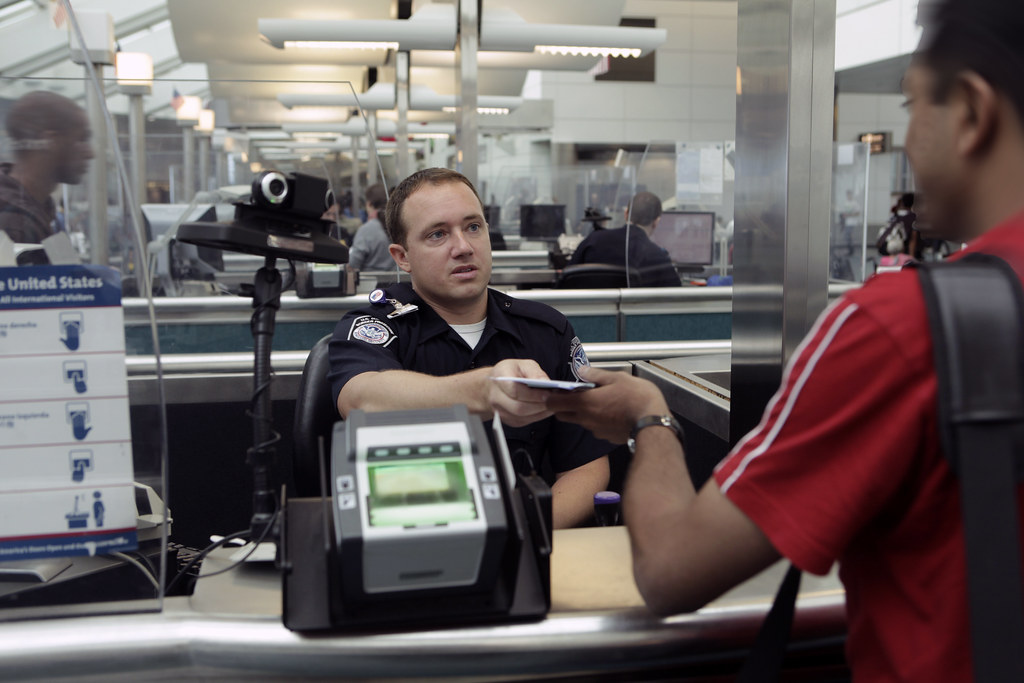
A UC Berkeley student identified only as Kim said his father chose to visit him in the U.S. this Chuseok after hearing about tighter visa inspections. “He even told me not to return to Korea during summer break,” Kim said.
David Kwon (27), who graduated from a U.S. university two years ago and now works in LA, said he had been waiting for the 8th because his parents planned to visit. They booked discounted Incheon–LA tickets in advance. Kwon, who is currently on an E-2 visa, explained that he cannot travel back to Korea. “I haven’t seen my parents for two years, but when they come this Chuseok, we will travel across the West Coast, including Yosemite,” he said.
Another student in New York, identified as Cho, also said his parents would visit during the holiday and that they had made travel plans together.
According to Nol Universe, U.S. lodging reservations through its platform between October 3–12 (the Chuseok period) rose 2.3 times from last year. Most U.S.-bound flights were sold out, and departures on the 3rd from Incheon to the U.S. exceeded 90% booking rates.
An Asiana Airlines representative said all seats from Korea to the U.S. were sold out. Demand had dipped in September after the Georgia Hyundai plant raid that detained more than 300 Korean workers and stricter entry checks, but flights through early October were nearly full for the Chuseok holiday.
Since May, tightened immigration rules—including the suspension of new student visa interviews and stricter reviews of nonimmigrant visas—have left many Korean students and workers unable to return home.
Observers note that tougher visa policies are reshaping family visit patterns. This year’s Chuseok, marked by more Korean families traveling to the U.S., underscores how the Korean American community is adapting to these changes.
BY HYOUNGJAE KIM [kim.ian@koreadaily.com]