The U.S. immigration system is facing its worst backlog in a decade, as visa and green card processing delays increase sharply and application fees climb significantly.
According to U.S. Citizenship and Immigration Services (USCIS), the agency processed 2.7 million immigration applications during the second quarter of fiscal year 2025 (January through March). This represents a 12% drop from the previous quarter and an 18% decline year-over-year. The total number of pending cases has now reached 11.3 million.
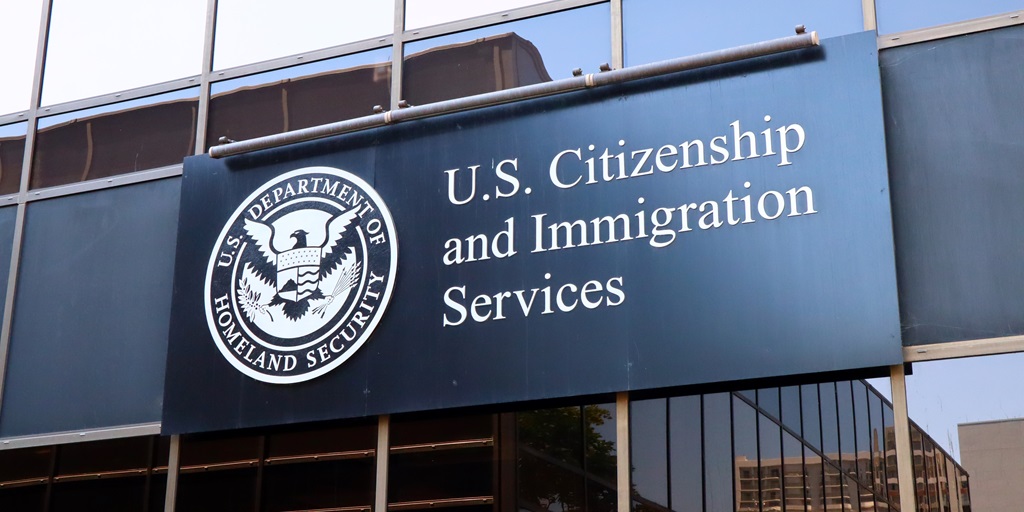
Immigration data platform Boundless reported on July 22 that this backlog is the highest recorded in the last 10 years.
Attorney Dave Noh stated, “From green card renewals to employment visa petitions, processing is significantly delayed,” adding that “many Korean Americans have voiced concerns, especially since the Trump administration increased scrutiny over applications.”
Employment-based visa petitions such as H-1B, L-1, and O-1 have been particularly affected. Processing time for the I-129 petition—required for nonimmigrant workers—increased by 25% compared to the previous quarter and by 80% from the same period last year.
Applications for Employment Authorization Documents (EADs)—filed through Form I-765 by F-1 visa holders on post-graduation Optional Practical Training (OPT) and recipients of the Deferred Action for Childhood Arrivals (DACA) program—also saw major delays. Processing time rose by 87% from the previous quarter, and the total number of pending new and renewal requests has now surpassed 2 million.
In family-based immigration, Form I-129F petitions for K-1 fiancé visas increased by 5.7% quarter-over-quarter and 12% year-over-year, with an approval rate of about 68%. Adjustment of status applications (Form I-485) to obtain permanent residency rose by 2% over the previous quarter and 12% compared to the same period last year, with an approval rate of roughly 84%.
The steepest rise was seen in green card renewals and replacements (Form I-90), where delays jumped by 938% from the first quarter. While the average processing time used to be 3 to 4 months, it now exceeds 8 months, the longest ever recorded. As the backlog grows, further delays are likely.
On July 22, Newsweek reported that USCIS has also increased immigration application fees, in some cases by as much as ninefold.
Fees associated with employment-based petitions, premium processing, family sponsorships, and refugee applications have risen by up to 800%. For example, applications commonly used by undocumented immigrants seeking deportation deferral—including Forms I-821, I-881, EOIR-29, EOIR-30, EOIR-42A, and EOIR-42B—have increased from $110 to $1,010.
Newsweek reported that the fee hikes are seen as a deliberate policy by the Trump administration to raise barriers for asylum seekers and immigrants.
BY HYOUNGJAE KIM [kim.ian@koreadaily.com]