An intensified immigration crackdown across Southern California is shaking the Los Angeles economy. The campaign, now in its second week, has triggered widespread anxiety and sharply reduced consumer activity—especially among Korean American small businesses.
Businesses in Downtown LA and Koreatown Feel the Pressure
The Java Market in Downtown Los Angeles, home to many Korean American apparel retailers, has seen rows of shuttered shops. Some stores have closed due to employees not showing up for work, while others report a sharp drop in foot traffic following recent U.S. Immigration and Customs Enforcement (ICE) raids.
On June 16, a store owner surnamed Park said that about 40 local merchants are actively sharing updates in a group chat and discussing how to respond. “Since June 6, undocumented workers have stopped coming to work altogether,” said Park. “Previously, those without a criminal record would still show up, but now everyone is too afraid. Sales have plummeted. If this continues one or two more weeks, many businesses will be forced to shut down.”
According to the Korean American Manufacturers Association (KAMA), many business owners have been hiring workers with legal status, but verifying documents regularly remains difficult. Brian Lee, president of KAMA, stated, “We haven’t received reports of serious damage yet, but the entire industry is under intense stress.”
The raids have also hit other industries. A Korean American car wash operator, who asked to remain anonymous, said, “Our employees still show up, but business is down by nearly half.” In Koreatown and Downtown Los Angeles, restaurant workers are missing shifts, and customer turnout is dropping. A Chinese restaurant manager reported, “There are fewer diners now. On the day before Father’s Day, we had many reservation cancellations because of a large protest.”
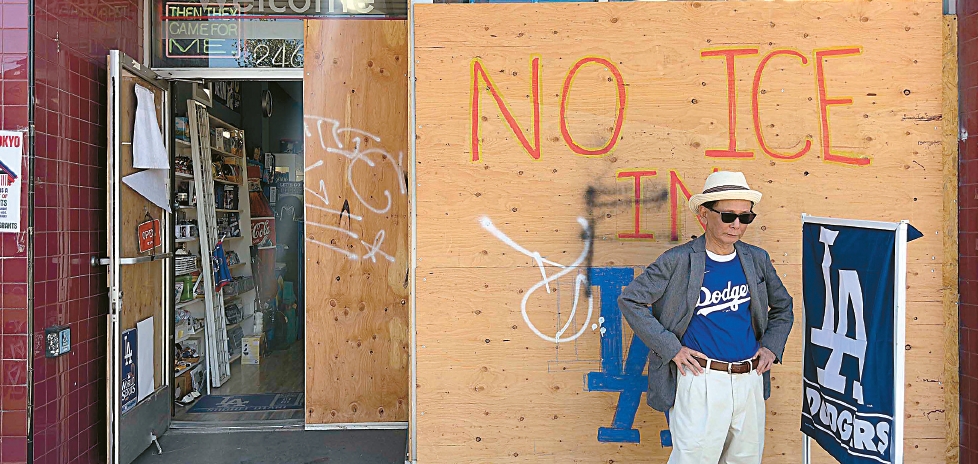
Even non-Korean-owned businesses are affected. A Japanese American liquor store owner said, “With daytime protests and nighttime curfews, sales have dropped to nearly nothing. We are basically open in name only.”
The impact has spread to construction sites, where delays are mounting due to labor shortages caused by the crackdown.
The outlook for Southern California remains grim. President Donald Trump recently ordered all available federal resources to be deployed in intensifying immigration enforcement across the region—indicating the crackdown may continue for the foreseeable future.
BY HYOUNGJAE KIM [kim.ian@koreadaily.com]